
What is Full Process Manufacturing of Aluminium? Complete Guide to the Full Process Manufacturing Workflow
In the field of aluminum product manufacturing, a complete production process can ensure product quality and efficiency. From the initial design concept to the final delivery of the product, the full-process manufacturing workflow encompasses multiple stages, including raw material procurement, casting, extrusion, stamping, CNC machining, surface treatment, assembly, quality inspection, final packaging and shipping. The seamless integration of these processes not only enhances production efficiency but also ensures product consistency and reliability. This article will provide a detailed overview of the full-process manufacturing workflow for aluminum products, helping you gain a deeper understanding of the role each stage plays and its impact on the final product quality.
1. Raw Material Preparation:
Aluminum or aluminum alloy is commonly used as raw material, different applications require different types of aluminum alloys. The classification of aluminum alloys by series is shown in the table below:
Aluminum Alloy Series | Main Alloying Elements | Characteristics | Main Application Areas |
1000 Series | Pure aluminum (99% or more) | Excellent corrosion resistance and high electrical conductivity, low strength | Electrical conductors, chemical equipment |
2000 Series | Copper | High strength, low corrosion resistance, usually combined with surface treatments | Aerospace industry |
3000 Series | Manganese | Good formability | Beverage cans, chemical equipment, roofing materials |
5000 Series | Magnesium | Good weldability | Marine equipment, automobile fuel tanks, pressure vessels |
6000 Series | Magnesium, Silicon | Good strength and weldability | Structural building components, cars, ships, pipelines |
7000 Series | Zinc | Extremely high strength, but poor corrosion resistance | Aerospace, high-performance mechanical equipment |
The appropriate aluminum alloy material will be selected based on your needs, hence proceed with cutting and pre-processing.
2. Forming Process:
Casting
Casting involves pouring molten aluminum into a pre-designed mold, allowing it to cool and solidify to form the desired aluminum product. This is commonly used for producing large structural parts, automotive components, and aluminum products for construction. It is suitable for thick-walled components.
Forging
Forging is a process that applies pressure to metal to cause deformation in its solid state, obtaining the desired shape and mechanical properties. Forging is performed by hammering, pressing, or extruding. It is suitable for manufacturing high-strength, high-performance parts with excellent mechanical properties.
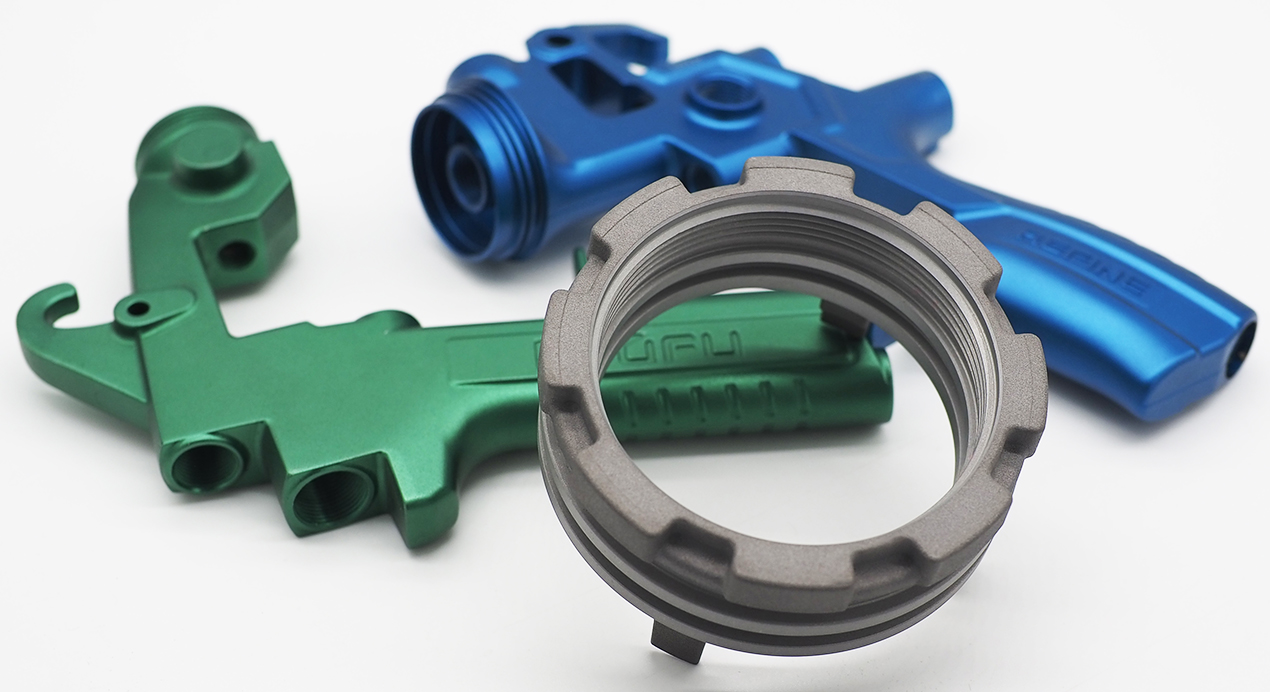
Note: The gray parts in the figure represent casting processes, while the blue and green parts represent forging and stamping processes.
Stamping
Stamping applies pressure to aluminum sheets or strips using a press to form specific shapes through cutting, bending, stretching, etc. This process is commonly used to produce thin-walled aluminum parts, such as electronic product housings, automotive parts (e.g., doors, hoods), and household appliance components.
Extrusion
Extrusion forms aluminum profiles with specific cross-sectional shapes by forcing the material through a die. It is suitable for producing long, continuous cross-sectional aluminum profiles. It is widely used in building profiles (e.g., window and door frames), automotive parts, furniture, and electronic product housings.
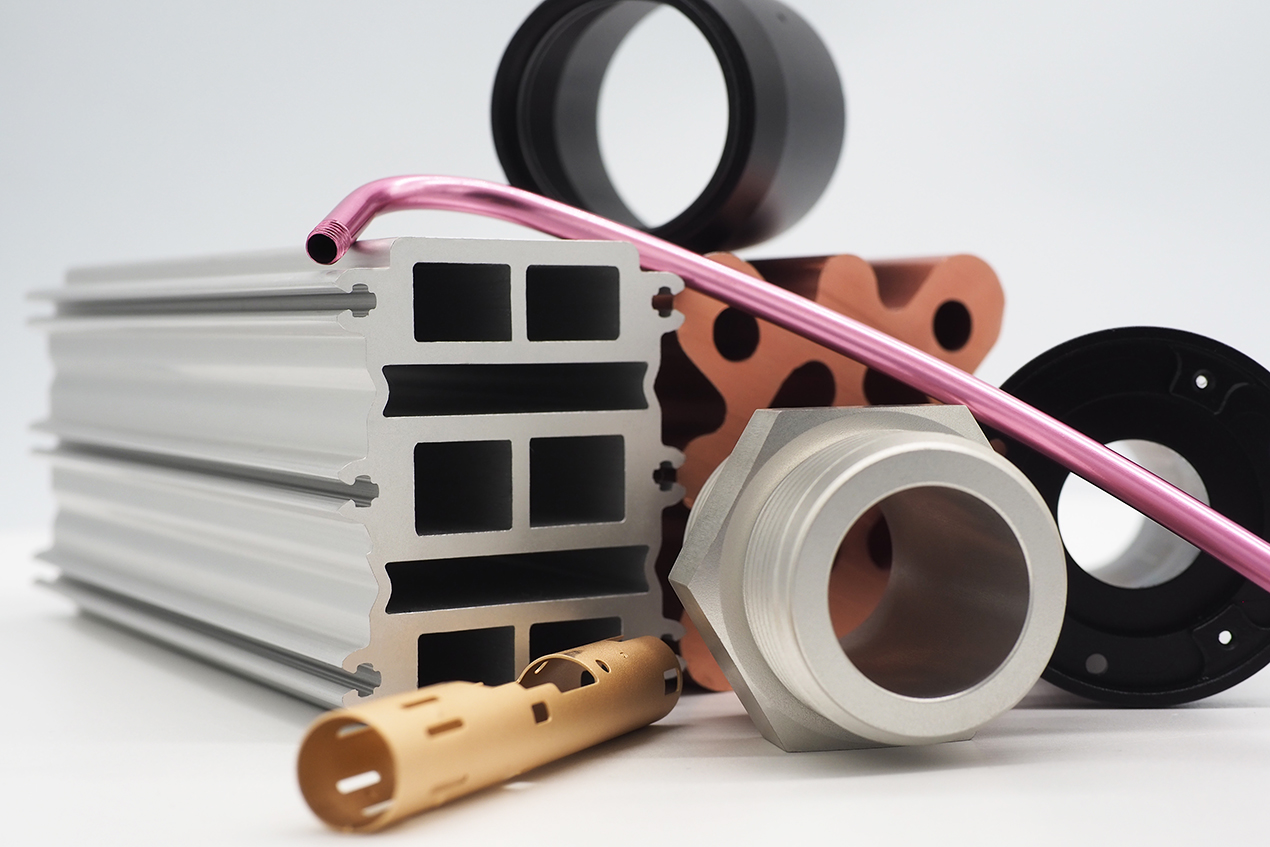
Extruded product display
3. Machining:
By using CNC or other machine tools, precise cutting, milling, drilling, etc., are performed to achieve complex part shaping. This is widely applied in producing high-precision and complex parts, such as aerospace components, precision machinery, mold manufacturing, and medical devices.
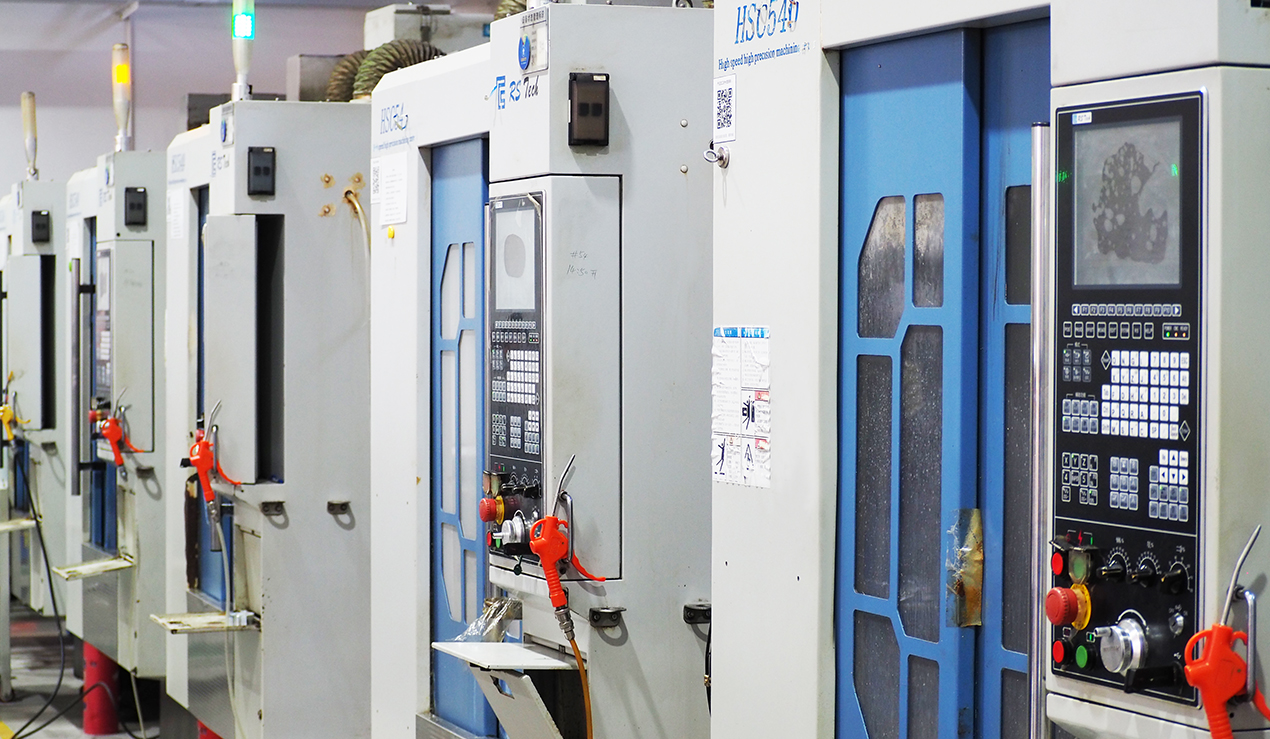
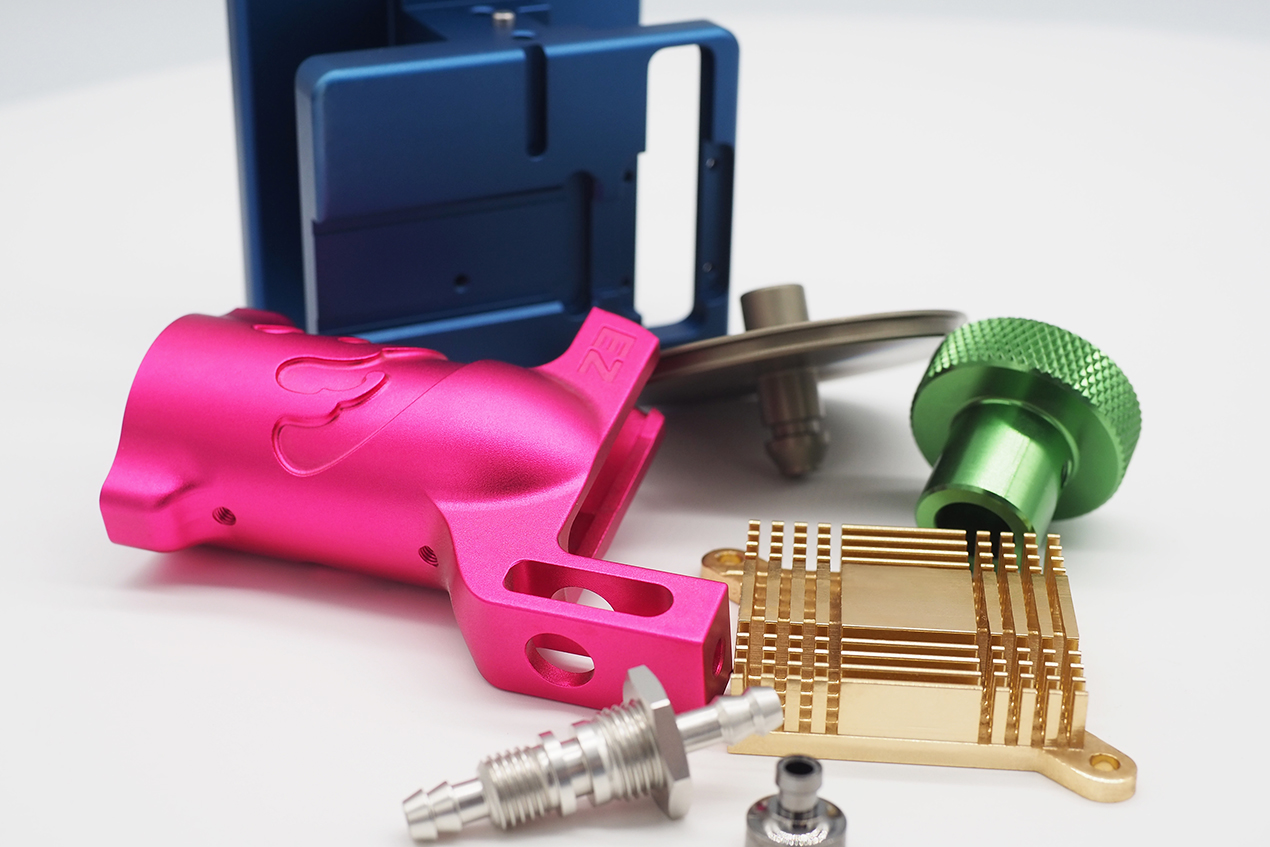
CNC machining area & CNC machined product display
4. Surface Treatment:
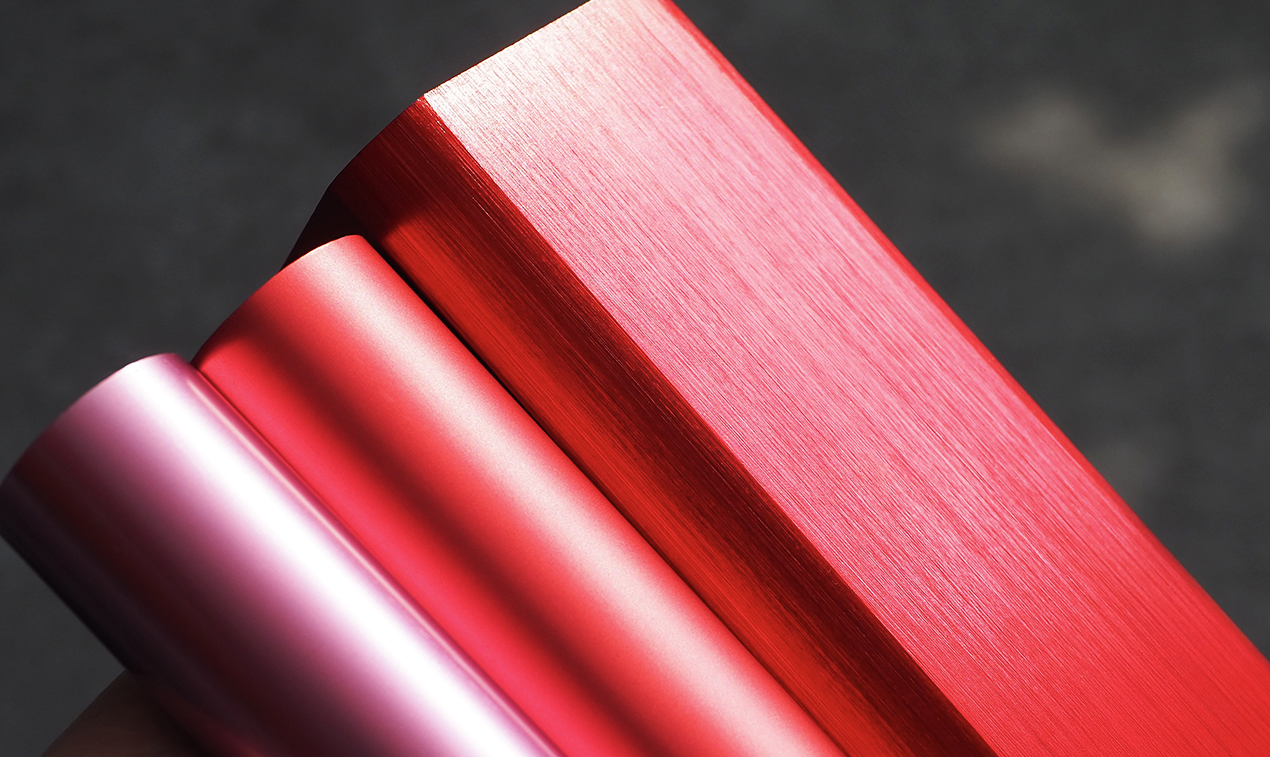
Surface treatments for aluminum products not only improve appearance but also enhance corrosion resistance, hardness, aesthetics, and functionality. Common surface treatments include anodizing (natural color, colored, hard), sandblasting, brushing, spraying, etc., combined with coatings like Teflon/PTFE for special applications. The specific surface treatment depends on the application requirements and product type. For detailed surface treatment processes, please refer to the article Common Methods of Surface Treatment on Aluminum.
5. Assembly (if applicable):
Assemble the processed and surface-treated parts into a complete product to ensure it meets design requirements and achieves its final functionality.
Part Inspection
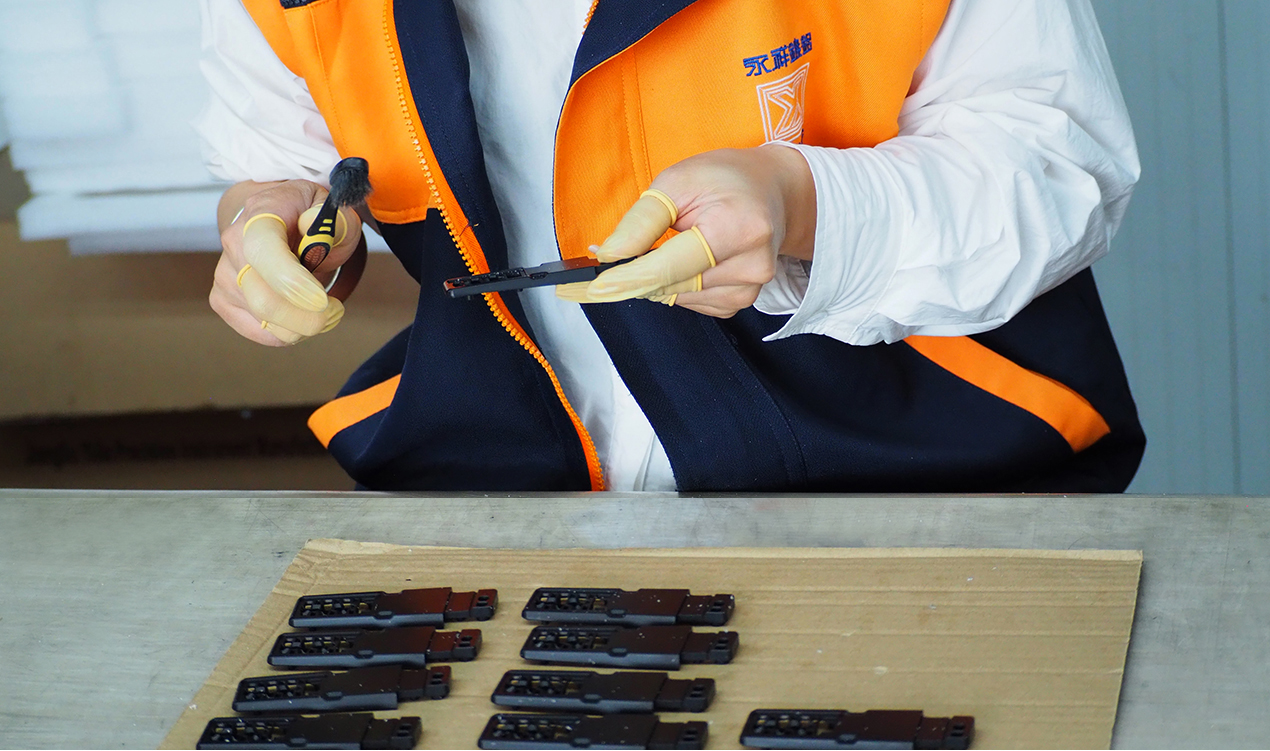
Before assembly, all parts should be inspected for dimensions, precision, and surface treatments to ensure they meet design specifications.
Alignment and Fixing
Align and position parts according to design drawings and fix them using screws, welding, gluing, or snaps.
Functional Testing
After assembly, conduct functional tests, such as motion tests for mechanical components and power tests for electrical components.
Adjustment and Correction
If any mismatches or functional deviations are found during assembly, make necessary adjustments and corrections to ensure the product performs as expected.
6. Quality Inspection:
Inspect the finished product for dimensions, appearance, and performance to ensure each aluminum product meets quality standards from raw material to final product.
Dimensional Inspection
Use measuring instruments to check the product’s dimensions, shapes, and tolerances to ensure compliance with design drawings, especially for precision-machined parts.
Manual Surface Quality Inspection
Inspect surfaces for scratches, bubbles, cracks, or uneven surface treatments with the naked eye or a microscope. Ensure that surface treatments like anodizing and spraying meet quality standards for color and coating uniformity.
Non-Destructive Testing (NDT) (if applicable)
Use technologies like ultrasound, X-ray, or magnetic particle testing to detect internal cracks or porosity without damaging the workpiece, ensuring structural integrity, material strength, and safety.
Mechanical Performance Testing (if applicable)
Use tensile testers, impact testers, etc., to test material strength, hardness, and ductility. Ensure the mechanical properties of the aluminum product meet industry standards and satisfy the strength requirements for its application.
Chemical Testing (if applicable)
Utilize specific chemical agents to react with metal elements in the sample, producing observable chemical reactions (e.g., color changes, precipitation) to verify that the chemical composition of the aluminum product meets design and process requirements, including corrosion resistance and processability.
7. Packaging and Shipping:
Appropriate packaging for long-distance transport or international shipping effectively prevents product damage, ensuring the product arrives safely.
Cleaning and Protection
Before packaging, clean the product to remove oil, dust, or other impurities from the surface. Depending on the surface treatment, use protective materials like pearl cotton, bubble bags, vacuum trays, or special wraps to prevent scratches or damage.
Fixing and Cushioning
Secure large or fragile aluminum products to prevent impact or vibration during transport. Use foam, pearl cotton, or bubble wrap to fill gaps in the packaging box, ensuring the product is protected from external forces.
Marking and Labeling
Clearly label the package with transportation instructions, such as fragile item marks or center of gravity indicators, to remind logistics personnel to handle with care. Include compliant product labels with customer name, product name, size, process, quantity, etc., for easy inspection and warehousing.
Shipping and Logistics Options
For international clients, consider various shipping methods such as sea or air freight, depending on different trade terms and delivery times, and prepare the necessary export documents according to customs requirements.
All the process above can be adjusted and optimized based on your specific products and needs.
Why Choose Yongxiang?
1. Cost-Effective Manufacturing
Our production facilities located in mainland China and Taiwan offer significant cost advantages, enabling us to provide high-quality aluminum components without compromising quality. This helps you reduce manufacturing costs without sacrificing quality, ultimately increasing your profit margins.
2.Manufacturing Flexibility and Scalability
We excel in customization, handling both small custom orders and large-scale mass production. With extensive production facilities and rapid response to market changes, we can deliver both custom and standardized products to meet a wide range of market needs.
3. Proven Quality and Advanced Technology
We use advanced surface treatment technologies to ensure your products achieve the highest standards in performance and durability. As a professional aluminum product supplier with over 40 years of experience, we have successfully provided high-quality aluminum products for renowned global brands such as Apple, Beats, and BMW. We meet strict industry standards worldwide, including US military standards 8625/5541, and German DIN 17611, ensuring reliability and consistency in various application scenarios. For specific past client cases, refer to (add internal link).
4.Global Supply Chain Management
With extensive experience working with international clients, we have mastered the skills required to manage complex global supply chains, providing reliable and efficient logistics support.
5.Innovation and R&D Support
Our engineering and design team can assist you in developing innovative products or improving existing ones. Whether you're designing new aluminum components or improving manufacturing processes, we can be a vital partner in driving product development.
6.Enhanced Market Competitiveness
By partnering with us, you can leverage our manufacturing expertise to produce high-quality, competitively priced products that stand out in the market. Our diverse production capabilities also allow you to expand your product line and meet a broader range of customer demands, helping you capture more market share.
“We’re more than just aluminum manufacturers—we’re your all-in-one partner, delivering tailored solutions and seamless services to drive your success.”
